

How PSS built a digital manufacturing culture with a custom Mendix MES
How do you build a digital culture that operators actually embrace and keep using? Premium Sound Solutions produces 120 million speakers a year across six global plants for automotive and consumer goods where traceability and quality are non-negotiable. For Stijn Van Uytfanghe, Global Digital Transformation Manager at PSS, the answer was a step-by-step approach built around the people on the floor and a modular Manufacturing Execution System (MES) that could grow with them.
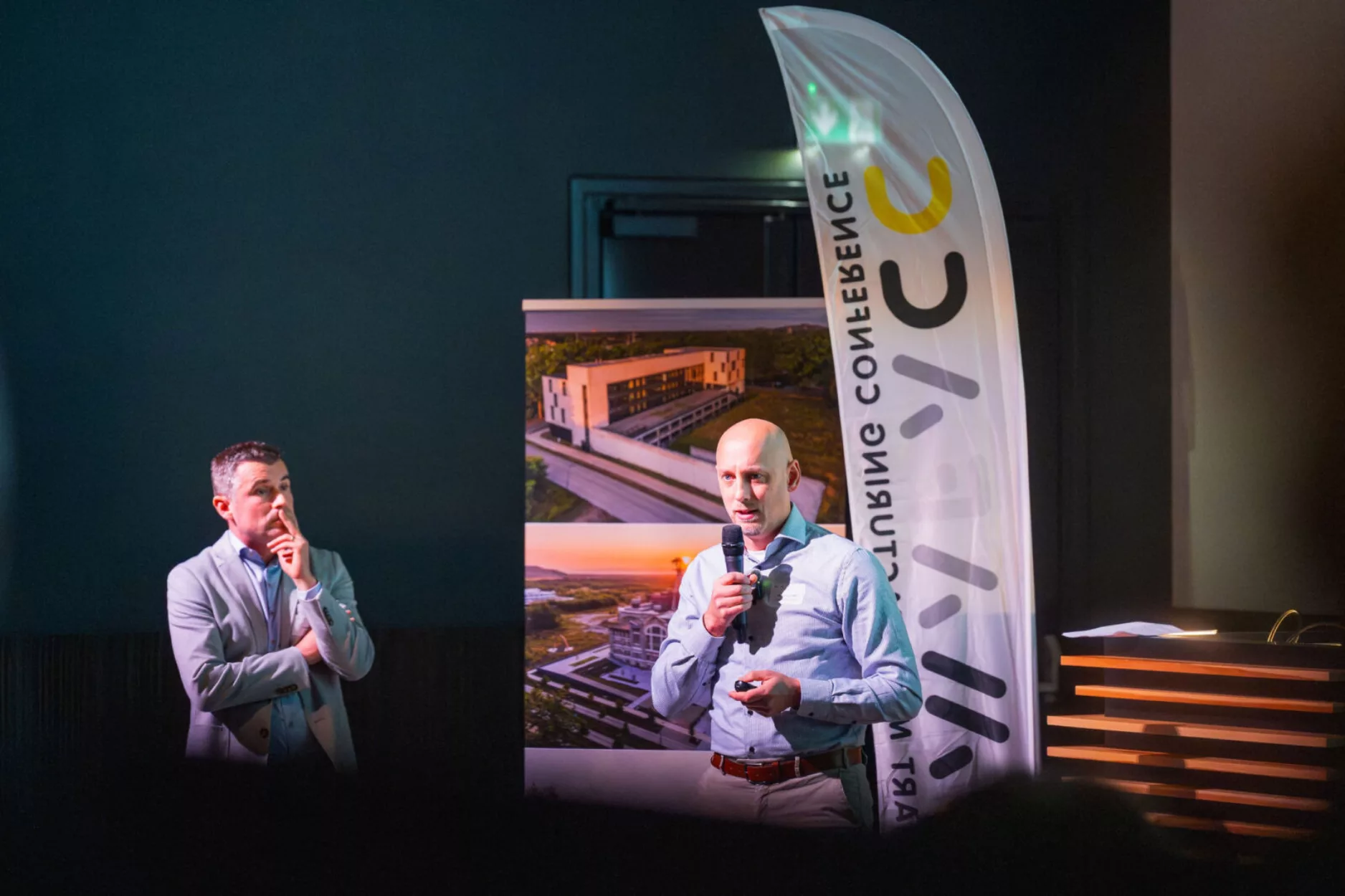
How do you build a digital culture that operators actually embrace and keep using? Premium Sound Solutions produces 120 million speakers a year across six global plants for automotive and consumer goods where traceability and quality are non-negotiable. For Stijn Van Uytfanghe, Global Digital Transformation Manager at PSS, the answer was a step-by-step approach built around the people on the floor and a modular Manufacturing Execution System (MES) that could grow with them.
The starting point
PSS builds speakers for automotive and consumer goods customers worldwide. The complexity sits in the variation: a wide range of speaker types and sizes, each with their own assembly process and specifications.
Paper couldn't keep up with the traceability requirements automotive customers demand. Whiteboards tracked shift performance but were wiped at the end of each week. The SAP system collected data, but wasn't built to guide operators through their work.
When Stijn Van Uytfanghe joined PSS in 2022, his vision was concrete: go paperless, support people on the factory floor. in doing their work well, and build a system that structurally reduces issues and waste rather than catching them after the fact.
That ambition needed a partner with real manufacturing knowledge, technical expertise and willingness to embrace the agile way of working.
"Mayker demonstrated that they had worked with production companies before. Other parties talked about what they could do. Mayker showed they had already done it."
From day one, the approach was co-creation: mapping processes with key users and working closely with PSS's own development team to make sure what got built reflected how their plants actually ran.
Starting small on purpose
The first project together was a changeover app: a tool that guides operators through machine settings and work instructions when changing to another product. Across six plants with varying line configurations, that process had previously lived on paper and based on people's experience. Before a single line of code was written, we followed the process on the factory floor, we discussed with the key users on how the process actually worked and how it could be improved. What did operators need to see? In what order? What could go wrong? That functional groundwork shaped everything that got built.
Early results on the first production line pointed to an estimated 10% decrease in downtime.
In parallel, PSS started an experiment that captured exactly their vision. They built a digital version of one of their production whiteboards themselves. The first test with operators was a success. A shift leader recognised his board in the developer’s office on a 86-inch touchscreen, started clicking, and before the session was over was already telling the team what else he'd change.
That response confirmed the direction. Together, PSS and Mayker worked through the UI/UX and the positive feedback from operators only grew.
From there, PSS's own development team kept building. More tools, more processes, always driven by the same question: what are operators dealing with that the current setup doesn't support?
Building a custom MES
The standalone apps worked. But automotive customers were raising the bar on traceability, wanting to know exactly which data was linked to every speaker, every pallet, every shipment. Four different legacy MES variants were running across the six plants, none of them connected to SAP Data had to be manually re-entered across systems.
"Without that MES foundation, you cannot sustain those customer expectations," said Stijn.
A standard off-the-shelf package wasn't the answer. Beyond the cost, an estimated one million euros or more in licences and customisation, it would mean handing control back to a vendor's roadmap. For Stijn, that was a fundamental problem: building a culture where operators shape the system only works if the system can actually respond to them.
PSS made a deliberate choice: to build their own MES on Mendix rather than buy one off the shelf. It meant taking ownership of the roadmap, the architecture, and the pace of development. Together, we crystallised the user stories with key users, designed the global cloud architecture and built the SAP interface. It took only nine months from analysis to go-live.
The rollout followed the same logic as everything before it. Rather than switching every plant at once, they started with a single pilot line per location. Operators used it, shared feedback, and the application improved before moving to the next line.
What keeps the system moving forward is a direct line between the floor and the development team. Operators can flag feedback through the applications, and if it adds value, it gets implemented fast.
"If we have a new need and the lead time is reasonable, it will be in the next Sunday build. That kind of flexibility is something I would never have had with a standard MES package."
The collaboration extended further. We also built the interface for PSS's fleet of AMRs, logistics robots that transport components from warehouse to production line and move finished pallets out.
The results
The impact was immediate. The MES now validates every pallet before it leaves the line. If something's missing, the operator can't proceed. Every speaker PSS produces is scanned, validated, and fed back into SAP without manual re-entry. 120 million speakers a year, each one tracked, and when the pace drops, the data shows it immediately.
PSS runs their Mendix applications from the Mendix Cloud in Frankfurt, accessible to teams across Belgium, Malaysia, Mexico, Hungary, Germany and China. Connecting that global setup to machines inside each local plant, within the IT constraints of every country, is exactly the kind of challenge where Mayker's technical expertise made the difference. The result: every plant now works the same way, with the same tools, the same output format, and the same rules.
"We have more effective data. We can act on data rather than opinions."
To make it concrete: a 10% increase in production line output through daily improvement initiatives and 30% fewer customer complaints since the MES rollout.
But when Stijn talks about what actually changed, he doesn't start there. He talks about shift leaders.
"One of the shift leaders said to me: I don't need to stay late to finish my admin anymore. I go home with a smile."
That's the result of building step by step, starting from the process, and keeping operators at the centre of every decision.